
What a plumbing vent does
Every fixture drain needs a vent. The vent lets fresh air in behind the water as it drains, so the flow stays smooth and no vacuum forms. It also gives sewer gas a path out through the roof instead of into the house.
A P-trap under each fixture holds a small plug of water that blocks gas from coming up the drain. When the vent is blocked, a draining fixture can pull on that trap, siphon it empty and let odor in. That is why a vent problem often shows up as smell as well as sound.
Clogged plumbing vent pipe symptoms to look for
One symptom on one fixture is usually a local clog. A pattern across fixtures points at the vent.
Gurgling from drains
A glug in the sink or tub when another fixture drains is air looking for a way in.
Bubbling in the toilet
Bubbles in the bowl after a washer or shower drains point to air pushed back through the trap.
Slow drains in more than one fixture
If the sink, tub and toilet are all slow while the main sewer line is clear, suspect the vent.
Sewer smell without a visible leak
A dry or siphoned trap lets gas into the room, often near a floor drain or an unused bathroom.
A toilet that flushes weakly
A weak flush with no clog in the trap can mean air cannot reach the drain line behind it.
Water sloshing after a flush
Movement in a nearby tub or shower drain after a flush shows air and water trading places.
What blocks a vent
Most vents end in an open pipe through the roof, usually 3 or 4 inches across, and that opening collects things. Leaves, bird or squirrel nests, tennis balls and debris from storms can sit in it. In winter, frost can build up in a small vent opening until it closes over.
Inside the walls the cause is different. A pipe sagging between joists can hold water in a low spot, a poorly made connection can crush a vent, and renovation work sometimes caps one by mistake. Those are plumbing repairs, not a ladder job.
Want a licensed plumber to look at it?
Call the 24/7 line and describe what you are seeing.
Vent clog or drain clog
A quick way to sort the two before you spend money.
| What you see | Likely cause | Next step |
|---|---|---|
| One sink is slow, others are fine | Clog in that branch | Plunge or snake that drain |
| Several fixtures gurgle and run slow | Blocked vent or main line | Check the roof vent and call if unsure |
| Basement drain backs up when you run a washer | Main sewer line clog | Stop using water and call for drain cleaning |
| Sewer smell, drains run normally | Dry trap or leaking vent joint | Run water in the unused fixture and recheck |
| Gurgling only in cold weather | Frost at the vent opening | Call a plumber to inspect |
Safe checks before you call
None of these need you on the roof. Do them in order.
Run water in the trap
Pour a quart of water into any floor drain or unused sink to refill a dry trap. If the smell goes away, the trap was dry.
Test fixtures one at a time
Flush the toilet and watch the nearest sink and tub. Note which ones gurgle and which stay quiet.
Look at the roof from the ground
With binoculars or from a safe spot, check whether a vent pipe is visibly packed with debris, a nest, or frost.
Write down what you hear
Note which fixtures gurgle, when, and what else was running. That pattern saves a plumber time.
When to stay off the roof
Do not climb onto a wet, icy or steep roof to clear a vent. A fall can cause serious injury, and a blocked vent is never worth that risk. If the roof is dry, low and you are comfortable, clear the opening by hand with gloves, then run water down it with a garden hose while someone watches the drains.
If water backs up into a tub or floor drain, or the smell is strong and persistent, ventilate the room, stop using water and call. Sewer gas can contain methane, which is flammable, so do not light candles or run sparks near a bad smell. Our 24/7 emergency line takes calls at any hour.
What this means in Zionsville
Indiana's plumbing code is the Indiana Plumbing Code, 675 IAC 16-1.4, adopted and updated in 2012 by the Fire Prevention and Building Safety Commission. If a vent has to be rerouted or added, that code governs how it is done. Permit rules vary, so ask the Zionsville Planning & Building Department at 1100 W Oak Street whether the work needs one.
The January normal low at Indianapolis is 20.9 F, per the National Weather Service. In cold snaps a small vent opening can frost shut, so gurgling that shows up only on the coldest mornings points at the roof end. The Town of Zionsville also provides sewer service, so if every drain backs up at once and the vent checks out, ask us whether the problem is on your side of the connection.
Fixing it yourself or with a plumber
Some fixes are simple and some are not.
A homeowner can reasonably
- Refill dry traps with water
- Clear loose debris from a low, dry roof
- Flush a vent with a garden hose
- Note the pattern and report it
A licensed plumber should
- Use a camera or cable to find an inside blockage
- Repair or replace a crushed or capped vent
- Add an air admittance valve where code allows
- Reroute vents during remodel work
How we find the cause
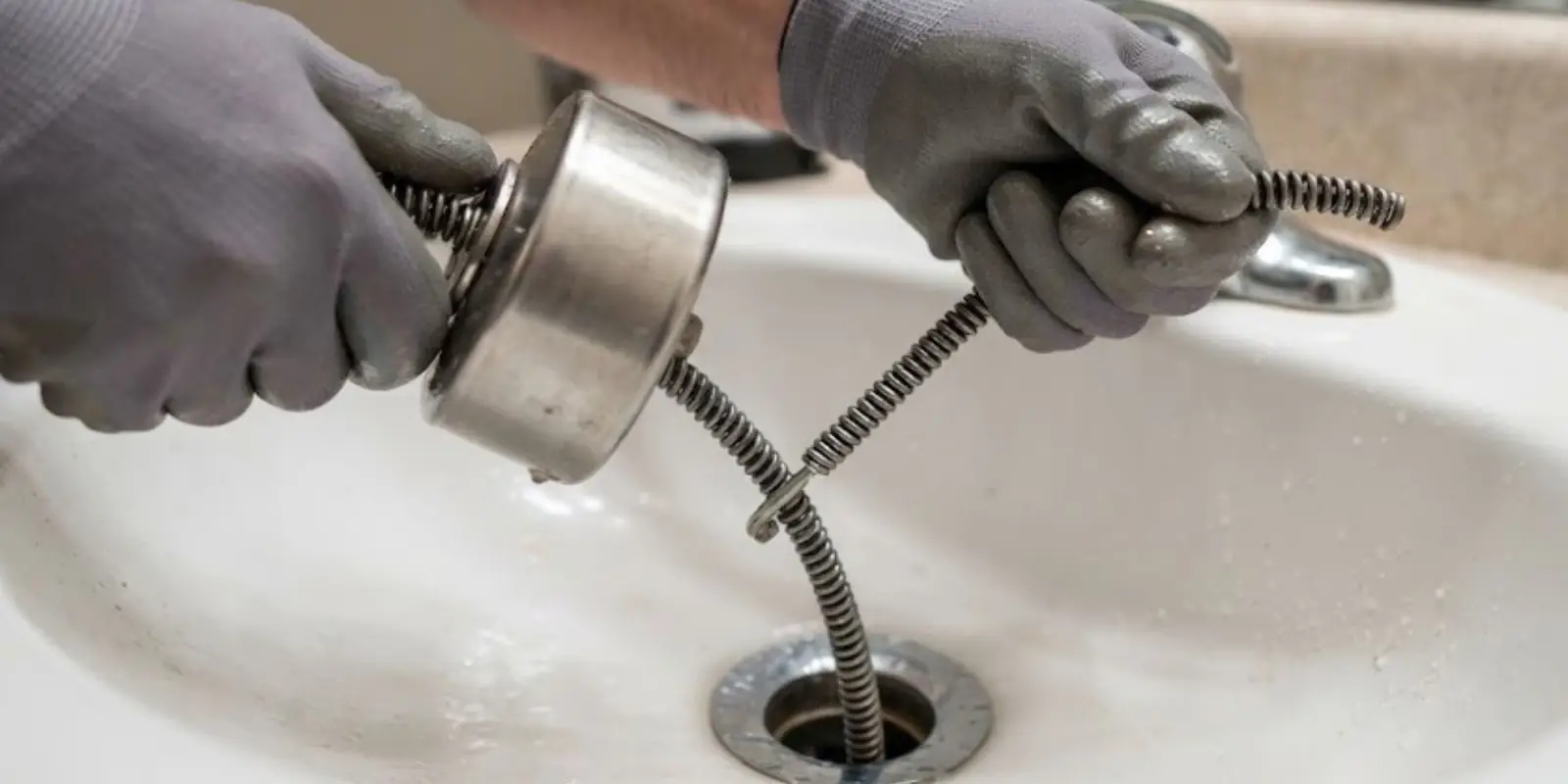
We start by listening and running fixtures to see which ones respond. A cable machine can run down the vent from the roof, and a camera can look inside a drain or vent line to find a sag, a crushed section or an old cap. If the problem is the main line, sewer line cleaning clears it.
We are licensed and insured plumbers, and we give a clear price before work starts. The Indiana Professional Licensing Agency lists license holders on the state's online license verification, and we encourage you to check any plumber you hire. We also serve Whitestown, and you can see all our towns on the areas page.
Frequently asked questions
Yes. A blocked vent can slow a flush and cause gurgling, because the drain line cannot pull air in behind the water. If only one toilet is weak and others are fine, it is more often a trap or partial clog.
No. A dry trap in an unused fixture is the most common cause, so run water in it first. A loose toilet seal, a cracked drain or a vent joint leak can also produce smell.
From a low, dry roof with a garden hose or a light drain snake, some homeowners can. If the roof is steep, wet, icy or high, call a plumber. Do not force a snake through an inside pipe you cannot see.
Frost can close a small roof vent opening. Indianapolis has a January normal low of 20.9 F, and gurgling that comes and goes with a hard freeze suggests that cause. A plumber can inspect the roof opening and, if needed, check the vent run inside.
It depends on the work. Permit rules vary, so ask the Zionsville Planning & Building Department before rerouting or adding vents.
Sources
Figures and guidelines on this page are taken from these public sources. Local rules and utility details can change, so check the source before you rely on a number.
- Indiana Plumbing Code 675 IAC 16-1.4 adopted and updated 2012 (Agency)
- Indianapolis January normal low 20.9 F (Agency)
- Town of Zionsville provides sewer service (Local government)
- Planning & Building Department address and permit review role (Local government)
- State online license verification (Agency)